In this guide:
- What zebra striping means and where the term comes from
- Why alternating drinks works better than quitting cold turkey
- How to start: the simple rules that make it stick
- What to drink on the stripe
Jump to:
Casamara Club ships nationwide at casamaraclub.com
What Is Zebra Striping?
Zebra striping means alternating between alcoholic and non-alcoholic drinks during a single drinking session. Have a cocktail, then have something without alcohol, then decide if you want another cocktail. The pattern—one on, one off—looks like zebra stripes.
It's a moderation strategy, not sobriety. According to NIQ research, 93% of people who buy non-alcoholic beverages also buy alcohol. They're not quitting—they're pacing themselves.
Where the Term Comes From
The term originated in UK drinking culture. Drinkaware UK, a alcohol education charity, found that about 25% of British pub-goers practice some form of zebra striping—alternating alcoholic drinks with water, soft drinks, or non-alcoholic alternatives.
The concept has gained traction as the non-alcoholic beverage market has grown—now $565 million and expanding 35% annually. More options make alternating easier. When your only NA choice was Diet Coke, zebra striping felt like punishment. Now there are drinks worth switching to.
Why Zebra Striping Works Better Than Quitting
Most people fail Dry January by week two. The all-or-nothing approach requires constant willpower, and willpower runs out.
Zebra striping works differently. Instead of saying "no" to every drink, you're saying "yes" to a different drink. The ritual stays intact—you're still holding a glass, still participating, still enjoying something crafted. You just cut your alcohol intake in half without white-knuckling through the evening.
The Psychology
Removes decision fatigue. "Should I have another?" becomes "I'm having something NA now, I already decided." The rule is simple: every other drink is non-alcoholic.
Keeps you in the social flow. You're not explaining why you're not drinking. You're not nursing one beer for three hours. You're drinking at the same pace as everyone else—just not alcohol every time.
Builds a sustainable habit. Dry January teaches you to abstain for 31 days. Zebra striping teaches you to moderate permanently. One skill is useful once a year. The other changes how you drink forever.
What Bartenders Know
Award-winning bartenders have practiced moderation methods like zebra striping for years. Jack McGarry (Dead Rabbit, International Bartender of the Year), Derek Brown (Columbia Room, Imbibe Bartender of the Year), and others have spoken publicly about changing how they drink—not to quit the industry, but to build sustainable careers.
For the full deep-dive on how professionals approach moderation: How Bartenders Actually Succeed at Dry January
How to Zebra Stripe
Three rules. Keep it simple.
1. Use the 1:1 Rule
One alcoholic drink, one non-alcoholic drink, repeat. Don't negotiate with yourself about whether this particular round "counts." The rule is automatic so you don't have to think.
Pro tip: Start with the NA drink. It sets the pattern and means you end the night having had one fewer alcoholic drink than if you'd started with alcohol.
2. Pick Your Stripe Drink Before Going Out
Decision fatigue kills moderation. If you wait until you're at the bar to figure out your NA option, you'll default to alcohol because it's easier.
Know before you arrive: "I'm alternating with [specific drink]." Order it by name. "I'll have a Casamara" or "Seedlip and tonic" works better than "What do you have that's non-alcoholic?"
3. Stock Your Fridge
You won't zebra stripe at home if there's nothing good to drink. Most moderation failures happen when the only options are alcohol or nothing.
Keep 6-12 bottles of something you actually want. The cost is trivial compared to alcohol, and having options changes behavior.
What to Drink on the Stripe
The stripe drink matters. If it feels like a consolation prize, you won't stick with it.
What works: drinks with complexity—bitter, botanical, savory, tart. Not sweet. The goal is something that engages your palate the way a cocktail does.
Botanical Sodas
Extra-dry sodas built around botanical extraction. Low sugar (4-5g per serving versus 25-40g for typical sodas), bitter-sweet complexity, designed for sipping.
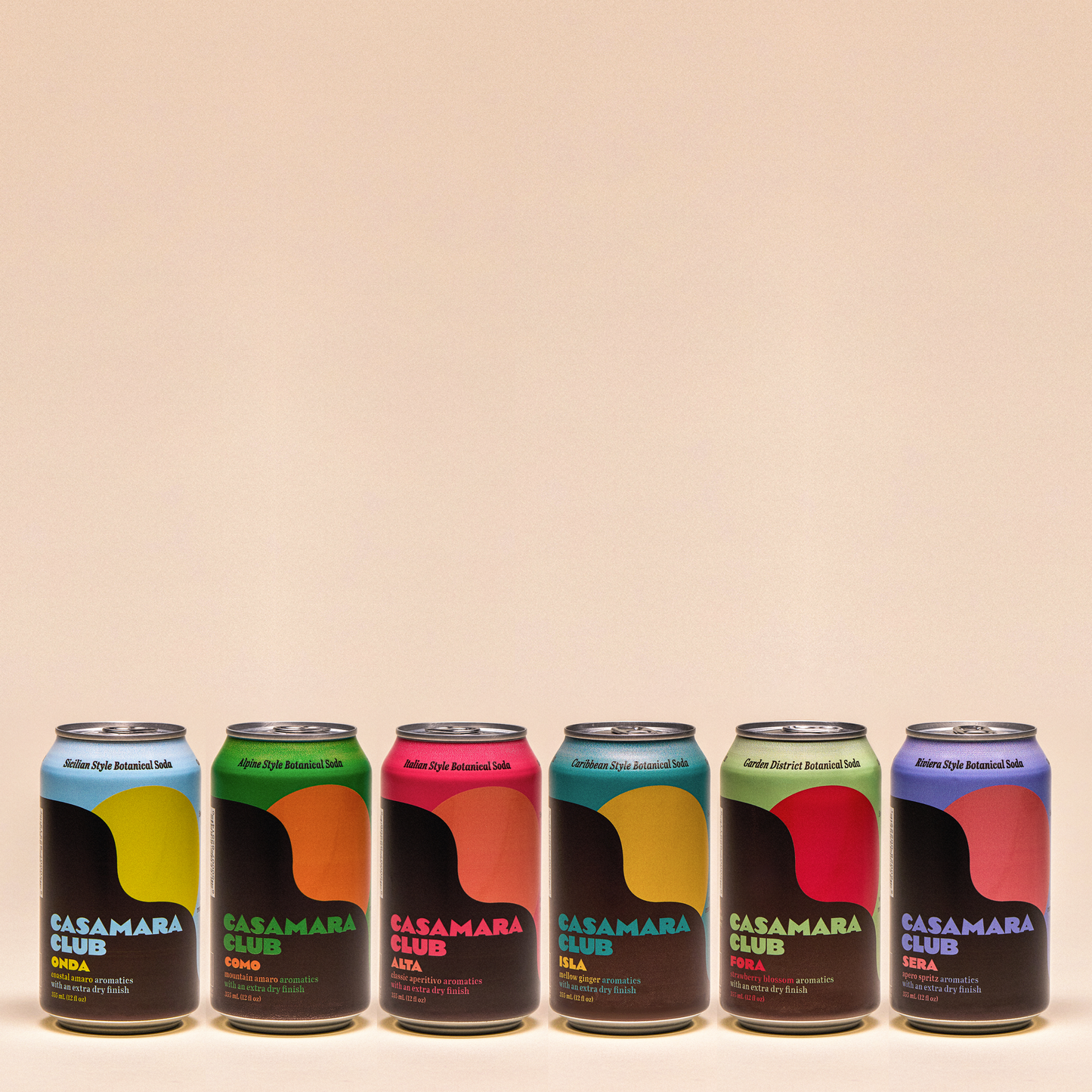
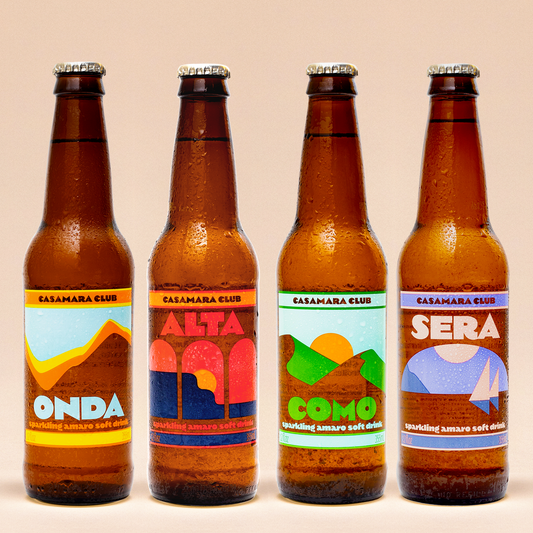
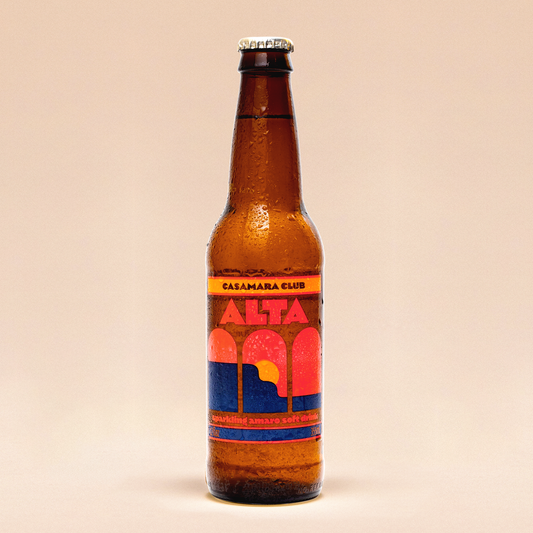
Casamara Club uses separate extraction for chinotto, gentian, juniper, orris root, and other botanicals. Their range includes Alta (Negroni-adjacent bitter citrus), Onda (sage, lemon, almost savory), Como (mandarin, mint, approachable), and Sera (grapefruit, tart, dry). On menus at 850+ restaurants including Michelin-starred establishments.
Ready-to-Drink Aperitivos
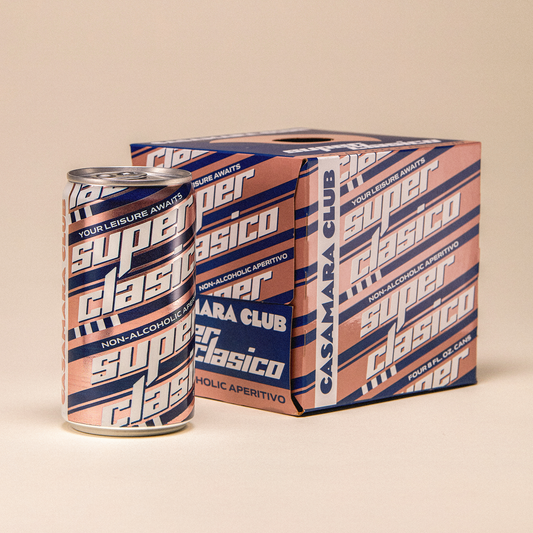
Full-flavored, cocktail-strength NA drinks. Superclasico from Casamara Club was named a "rare unanimous favorite" by NYT Wirecutter—inspired by Italian chinotto aperitifs and Negronis, designed for aperitivo hour.
NA Spirits + Mixer
Non-alcoholic gin, whiskey, or tequila alternatives (Seedlip, Ritual, Monday) mixed with tonic or botanical soda. Familiar format—everyone knows what a G&T looks like.
What Doesn't Work
Water. Diet Coke. Cranberry juice. Anything that reads as "not a real drink." If your stripe drink feels like settling, you'll abandon the stripe.
Frequently Asked Questions
Q: What is zebra striping?
A: Alternating between alcoholic and non-alcoholic drinks during a single drinking session—one on, one off, like zebra stripes. It's a moderation strategy used by about 25% of UK pub-goers and increasingly popular in the US.
Q: Does zebra striping work for Dry January?
A: Better than cold turkey for most people. Total abstinence requires constant willpower and often leads to overcorrection in February. Zebra striping builds a sustainable moderation habit you can use year-round. You'll drink less in January and keep drinking less afterward.
Q: What's a good non-alcoholic drink for zebra striping?
A: Something with complexity—botanical sodas, NA aperitivos, NA spirits with tonic. Bitter, botanical, or tart profiles work better than sweet. The stripe drink needs to feel like a real drink, not a consolation prize.
Q: Is zebra striping the same as mindful drinking?
A: Zebra striping is one technique within mindful drinking. Mindful drinking is the broader practice of paying attention to how, when, and why you drink. Derek Brown, former owner of Columbia Room and author of Mindful Mixology, defines it as "a self-led strategy to drink or not to drink alcohol in accordance with your goals."
Q: How many drinks does zebra striping save?
A: Roughly half. If you'd normally have six drinks over an evening, zebra striping means three alcoholic and three non-alcoholic. Start with the NA drink and you end at 2.5 alcoholic drinks instead of six.
Keep reading: How Bartenders Actually Succeed at Dry January — the full guide to moderation methods from award-winning professionals.
Find Casamara Club at casamaraclub.com. Ships to all 50 states.
For restaurant wholesale inquiries: sales@casamaraclub.com